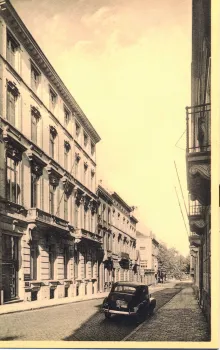
The major milestones in the history of the FNRS
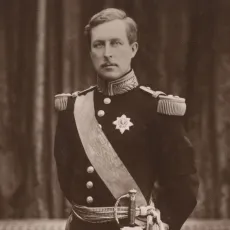
"The public does not understand enough among us that pure science is the indispensable condition of applied science and that the fate of nations which neglect science and scientists is marked for decadence."
The origins
This royal speech gave the decisive impetus to the creation of the FNRS, at that time named "FNRS" (National Fund for Scientific Research): less than a year later, on April 27, 1928, the FNRS was in fact created as a public utility foundation by a group of scientists and industrialists and placed under the direction of Émile Francqui, knight of industry, patron and great moral figure of Belgian civil society. In just three months, one hundred million Belgian francs were donated to the FNRS by patrons, but also by ordinary individuals: a real national boost in favor of scientific research.
State involvement
After the Second World War, the FNRS gradually adapted its structures to the new realities of the Belgian and international political landscape, but above all to the exponential increase in scientific knowledge.
To meet the challenge of internationalizing research, the FNRS benefited from recurring subsidies from 1947 - before this State intervention, the financial resources of the FNRS were limited solely to income from its assets.
Adaptation to the needs of society
During the fifties and sixties, the FNRS received the supervision of several specialized and complementary scientific institutions: the Associated Funds. In 1994, the Fund for Research Training in Industry and Agriculture (FRIA) was added.
The gradual transformations of Belgium into a federal state were integrated into the structures of the FNRS, which became the F.R.S.–FNRS, today dedicated to the development of research in the Wallonia-Brussels Federation.
Today
A public utility foundation, more than 90% financed by public funds, the F.R.S.–FNRS supports the development of fundamental research in the Wallonia-Brussels Federation. To do this, it strengthens the training of individual researchers and finances research programs mainly in French-speaking universities in Belgium.
The History of the FNRS in More Detail
The years 2020
2025
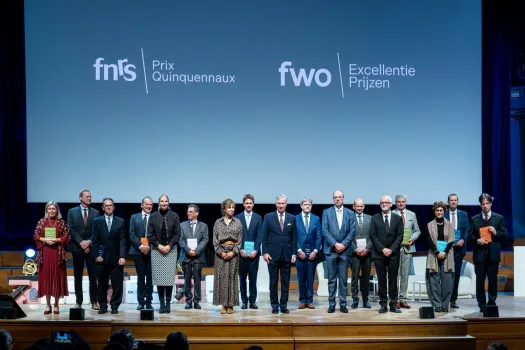
The Quinquennial FNRS Awards recognize 6 outstanding research projects.
2025
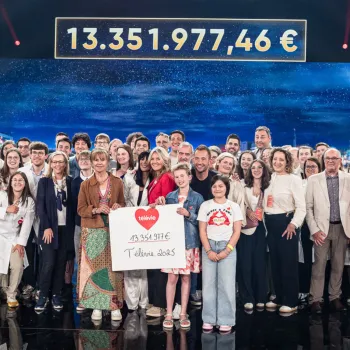
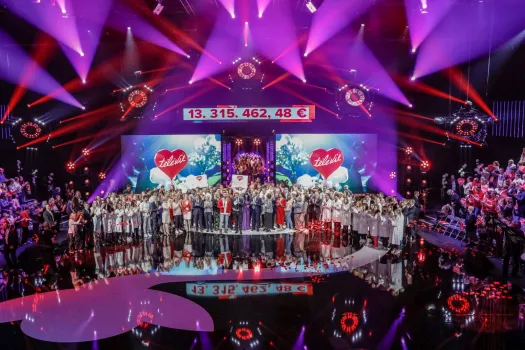
A record amount for Télévie!
2025
PeriScops, the portal for scientific publications – Wallonia & Brussels
2024
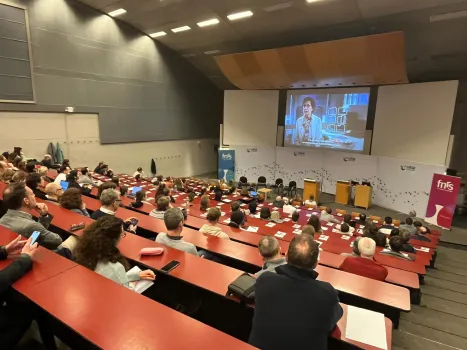
FNRS.days: Meeting the Universities
2024
CERN and Belgium: 70 years of cooperation and investment for the benefit of science
The Director-General of CERN, Fabiola Gianotti, honored us with her presence. Nobel Prize laureate François Englert was also present. Belgian researchers collaborating with CERN discussed the ISOLDE and CMS experiments as well as the transfer of technology and knowledge made possible by CERN.
2023
Agreement on the Reform of the Research Evaluation System (ARRA)
The Director-General of CERN, Fabiola Gianotti, honored us with her presence. Nobel Prize laureate François Englert was also present. Belgian researchers collaborating with CERN debated the ISOLDE and CMS experiments as well as the transfer of technologies and knowledge made possible thanks to CERN.

2023
The first call for WelCHANGE FNRS is open
2022
First Gender Equality Plan of the FNRS (2022-2025)

2022
The FNRS signs the DORA Declaration
The FNRS has therefore just signed this declaration. This provides an opportunity to make a modification in the 2022 Bourses and Mandats call: candidates for Chargés de recherche and Chercheurs Qualifiés positions were invited to attach the 5 most representative publications of their career to their application dossier (which until now had to only be listed and justified in the scientific part of the application dossier).

2021
The FNRS Builds Links with Germany (DFG) and Flanders (FWO) through the Weave Initiative

2021
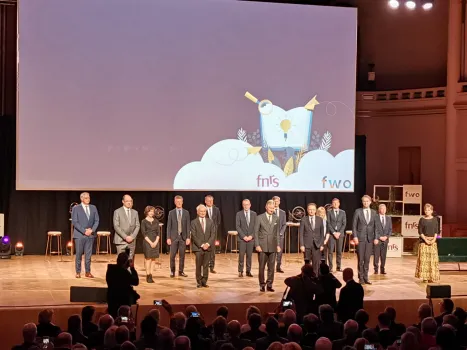
FNRS Quinquennial Prizes Award Ceremony
• The Prize in Clinical Biomedical Sciences (Joseph Maisin Scientific Prize) was awarded to Patrizio Lancellotti, Professor at the University of Liège and Head of the Cardiology Department at the Liège University Hospital (CHU de Liège), for his major contribution to the field of valvular heart diseases.
• The Prize in Fundamental Biomedical Sciences (Joseph Maisin Scientific Prize) was awarded to Jean-François Collet, Professor at UCLouvain – Université catholique de Louvain and Co-Director of the de Duve Institute, who uncovered new fundamental cellular mechanisms.
• The Prize in Human and Social Sciences (Ernest-John Solvay Scientific Prize) was awarded to Vassilis Saroglou, Professor at the Institute of Psychology at UCLouvain – Université catholique de Louvain, for his bold and innovative work in the field of the psychology of religion.
• The Prize in Applied Exact Sciences (Dr A. De Leeuw-Damry-Bourlart Prize) was awarded to Jean-Christophe Charlier, Professor at the École polytechnique of UCLouvain – Université catholique de Louvain, for his pioneering work on graphene.
• The Prize in Fundamental Exact Sciences (Dr A. De Leeuw-Damry-Bourlart Prize) was awarded to Véronique Dehant, Head of Department at the Royal Observatory of Belgium and Adjunct Professor at UCLouvain – Université catholique de Louvain, whose discoveries have contributed to numerous space missions.
2021
The FNRS Contributed to the Creation of the Higher Committee for Scientific Integrity (CSIS), Officially Announced by the Royal Academies of Belgium on 30 June 2021
2020
Coronavirus: The FNRS Allocates €3 Million to Research
In response to the health crisis, the FNRS has decided to fund a double call for projects aimed at mobilising the scientific communities of the Wallonia-Brussels Federation and supporting their contribution to the international efforts currently underway.

2020
A Very Unusual Year…
Marked, of course, by COVID-19, it was a year during which scientific research was both exceptionally called upon and profoundly disrupted. It nevertheless provided an opportunity to demonstrate research’s resilience, responsiveness, availability, richness, and effectiveness…
The years 2010
2019
www.frs-fnrs.be/dons

2019
WELBIO Researchers’ Kick-off Event
2019
FRQ–FNRS Meeting

2019
ORCS

2019
PDR Théma
2019
Télévie
2019
ClimaX
2019
FNRS.days
With multiple objectives: to meet its researchers (current, former and future), answer their questions and concerns, and foster a range of debates (What mission(s) for an FNRS researcher? What difference(s) between an FNRS research fellow and an academic staff member? What place for fundamental research? Open Science — how should it be implemented? What role do women currently hold in research, and what role should they hold?).
2019
Observatory for Research and Scientific Careers

2018
Phare 20.25
The F.R.S.-FNRS has defined six quantified priorities, both in terms of their objectives and their budgetary impact. For each of them, contextual elements provide perspective by relating the priority to the current situation and the identified needs.
2018
Creation of the Research Fund in the Arts
Variante légèrement plus élégante :
The new Fund dedicated to research in the arts aims to strengthen the connection between research and arts education within the higher schools of the arts of the Wallonia-Brussels Federation.

2017
Cooperation Agreement
2016
Cooperation Agreement

2016
Launch of the EOS Program - Excellence of Science
The EOS programme aims to promote joint research between researchers from the Flemish and French-speaking Communities by funding collaborative fundamental research projects across all scientific disciplines.

2015
Cooperation Agreement
2014
Cooperation Agreement
2014
Adoption of PHARE II for the period 2015-2019
2014
Cooperation Agreement
2013
Establishment of the Consultation and Negotiation Body of the F.R.S.-FNRS (OCN)
2013
Funding Decree
2013
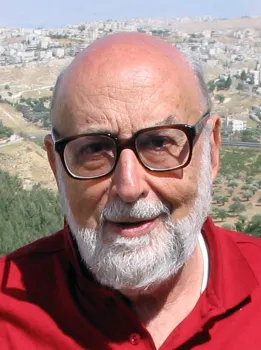
François Englert, Nobel Prize in Physics
2013
Creation of the Strategic Fundamental Research Fund
• the axis dedicated to sustainable development, known as WISD;
• WELBIO, the strategic life sciences axis of the FRFS.
2012
Creation of the Fund for Research in the Humanities (FRESH)
2011
The F.R.S.-FNRS and the FWO Among the Seven Founding Members of Science Europe
The years 2000
2009
Publication of the PHARE I Refinancing Plan
2008
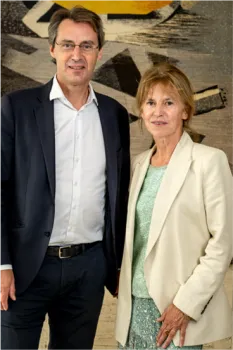
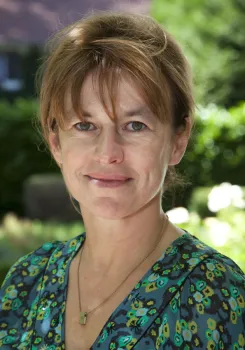
Véronique Halloin, Secretary-General of the F.R.S.-FNRS
2007
Creation of the European Research Council
2006
NCP-FNRS
2005
Accord de coopération
2000
The Quinquennial Prizes Take Their Current Form
The years 1990
1998
Cooperation Agreement
1997
Cooperation Agreement
1994
Strengthened Collaboration with the CNRS
1994
Creation of the Fund for Research in Industry and Agriculture (FRIA)

1993
Cooperation Agreement
1992
The FNRS Becomes the F.R.S.-FNRS and the FWO

1990
Cooperation Agreement
1990
The National Lottery Contributes to the Funding

The years 1980
1989
Creation of the Télévie

1988
The State Reform and the FNRS
1988
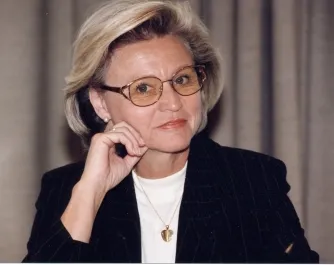
Marie-Josée Simoen, Secretary-General
1984
Cooperation Agreement
1984
Cooperation Agreement with the NIH

1984
Cooperation Agreement
1981-88
Numerous Cooperation Agreements
1980
Cooperation Agreement with the NSF
The years 1970
1978
Expeditions to Greenland and Canada
1977
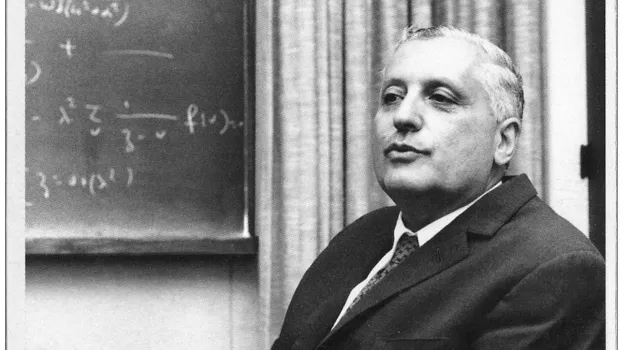
Ilya Prigogine, Nobel Prize in Chemistry
1977
Cooperation Agreement with the Japan Society for the Promotion of Science (JSPS)
1976
Creation of the Medical Ethics Committee
1974
Creation of a New Quinquennial Prize
1974
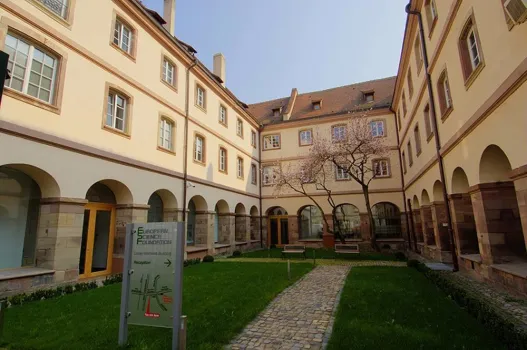
Creation of the European Science Foundation (ESF)
1974
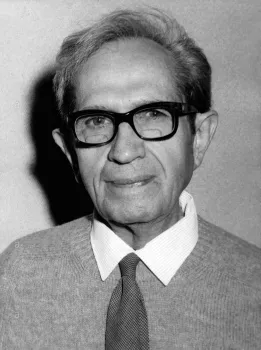
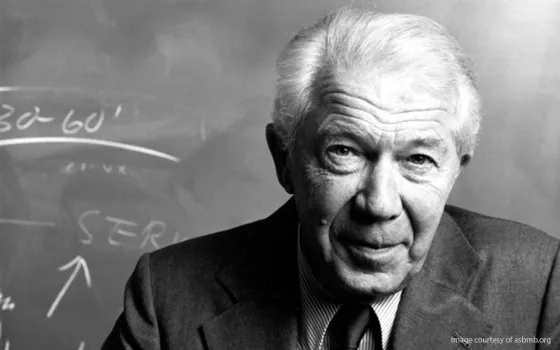
Christian de Duve and Albert Claude, Nobel Prize in Physiology or Medicine
1973
Change in the Status of FNRS Research Fellows
1972
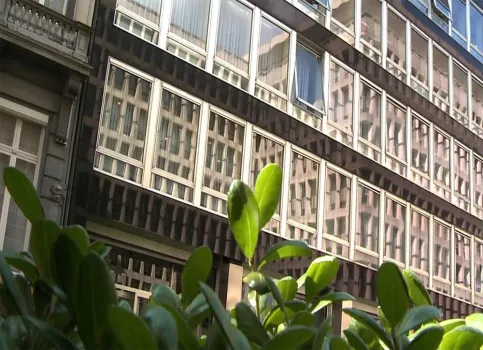
New Buildings for the FNRS
The years 1960
1969
Linguistic parity
1967
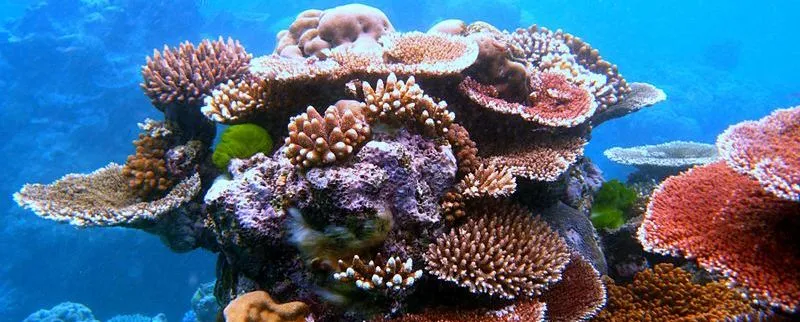
Belgian Expedition to the Great Barrier Reef
1969
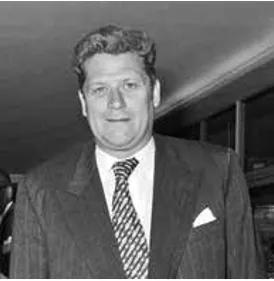
A New Secretary-General
1965
The University Expansion Act
1965
Creation of the Fund for Collective Fundamental Research (FRFC)

1965
Creation of Two New Quinquennial Prizes
1962
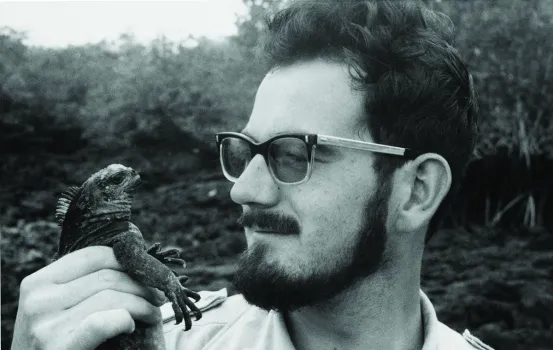
The Galapagos Islands
1960
First Quinquennial Prize
The years 1950
1959
Creation of the National Council for Science Policy
1958
Creation of the Fund for Medical Scientific Research (FRSM)

1957
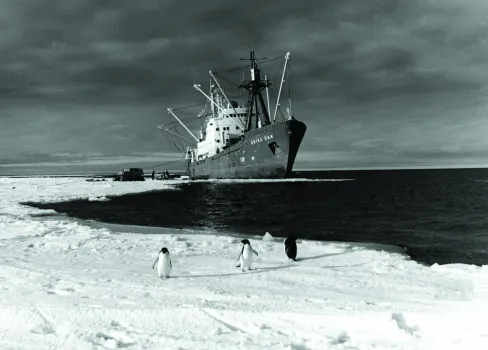
Exploration of the South Pole
1955
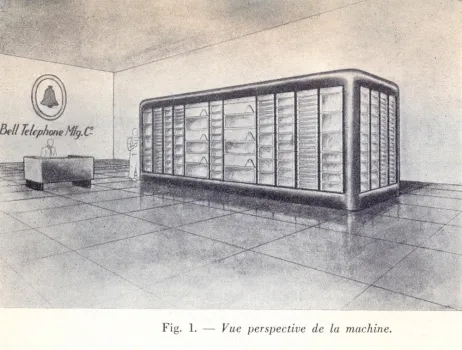
First electronic calculating machine
1954
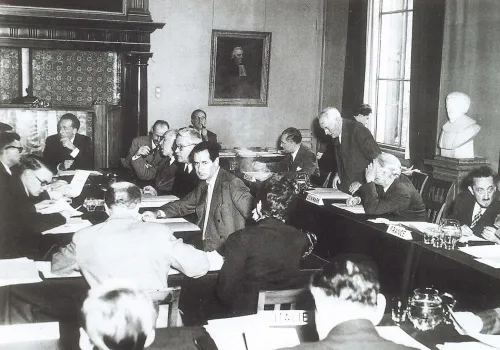
Creation of CERN
1953
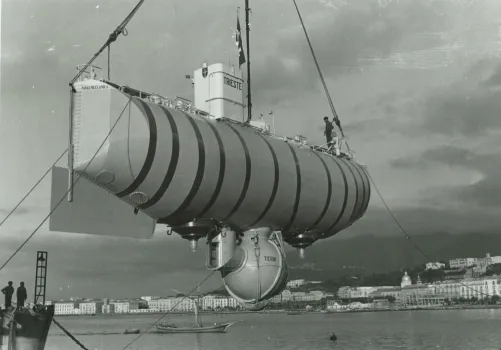
Design of the FNRS III
The years 1940
1948
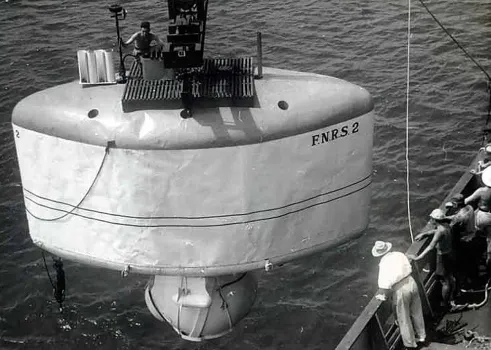
The First FNRS-2 Bathyscaphe
After the war, research resumed and the bathyscaphe FNRS 2 made its first outing in 1948. However, the test was not very conclusive, and it soon became clear that the scale of the project required further collaborations.
1947-60
Corneel Heymans, Nobel Prize in Physiology or Medicine

1947
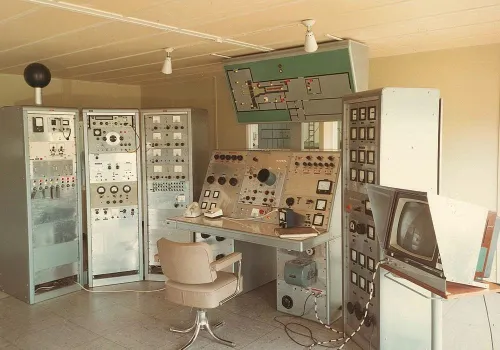
Creation of the Interuniversity Institute for Nuclear Sciences (IISN)
1947
First Government Funding
On 2 April 1949, a law confirmed the need for recurring financial support from the State for the benefit of the FNRS.
1940-45
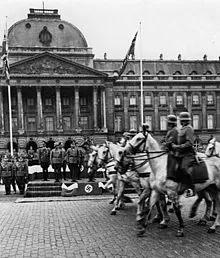
The FNRS During the Second World War
The years 1930
1934
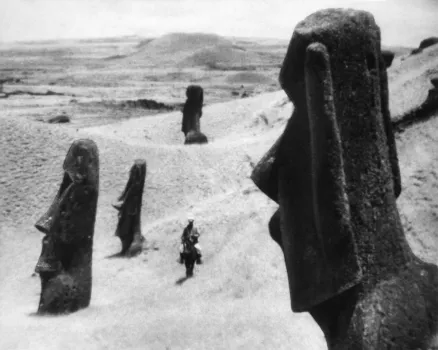
Expedition to Easter Island
Still considered too costly, the proposal was rejected once again. However, collaboration with France and the extension of the research to the islands of French Polynesia changed the situation. The FNRS and the Government agreed to finance the Belgian component, and the expedition took place between July 1934 and April 1935.
1933
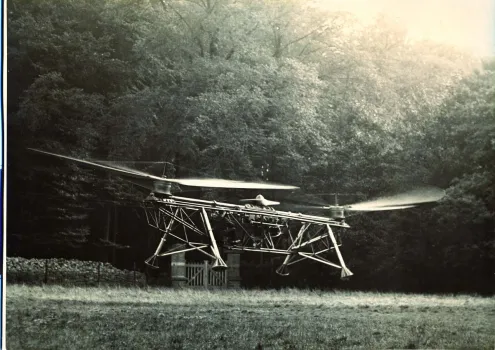
Florine's helicopter
On 25 October 1933, the Florine II, piloted by engineer-pilot Robert Collin, remained airborne for 9 minutes and 58 seconds at a height of up to five metres, until it ran out of fuel.
1932
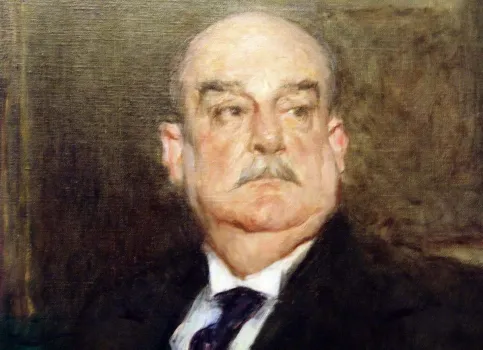
Creation of the Francqui Foundation
1932
Behaviour of Ferrous Metals at High Temperatures
This grant also aimed to bridge the gap with industry, which was seeking new manufacturing processes.

1931
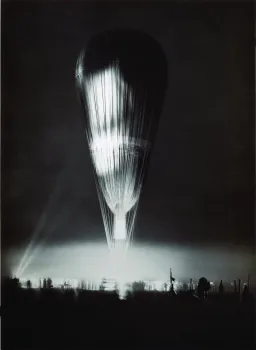
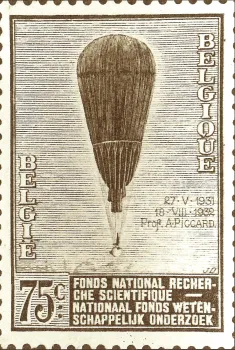
Auguste Piccard’s Stratospheric Balloon
His objective was to verify the theory of the Austrian scientist Victor Hess, who maintained that cosmic radiation originated in the upper atmosphere.
The balloon, named FNRS, lifted off in May 1931 and exceeded an altitude of 15,000 metres — not without difficulty — achieving even greater success in August of the same year and again in April 1934.
The years 1920
1928
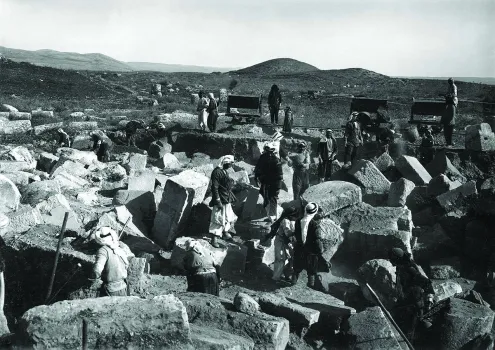
The First Funding
1928
The Birth of the FNRS
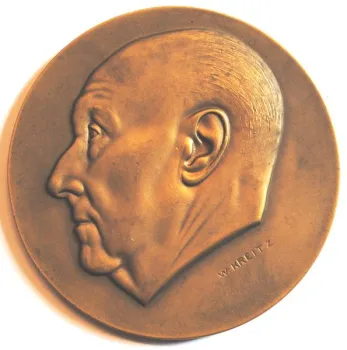
“May it finally be understood that the researcher stands at the forefront of progress and civilisation. Through his discoveries, he provides the engineer, the chemist, and the physician with the very foundation for improving the condition of humankind. It is upon new scientific generalisations that our continuous march towards greater progress and well-being rests.”
— Émile Francqui, March 1928.
1927
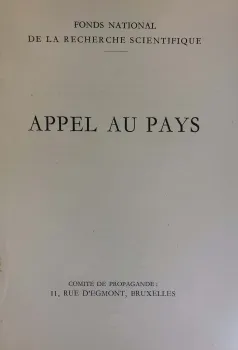
Creation of a Publicity Committee
1927
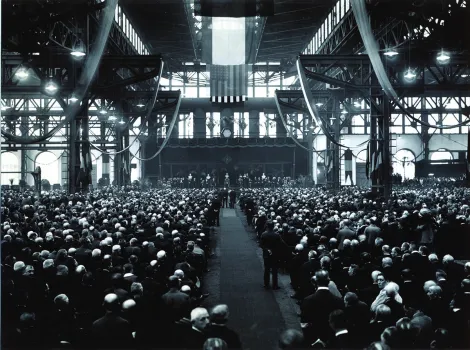
The “Seraing Speech” of King Albert I
“The public in our country does not sufficiently understand that pure science is the indispensable condition of applied science, and that the fate of nations which neglect science and scientists is marked for decline.”
1920
A law officially establishes the University Foundation.